Asphalt driveways and paved surfaces are exposed to regular vehicle traffic, changing weather conditions and gradual wear. Over time, the surface may develop cracks, potholes, fading or uneven sections that affect both its appearance and performance. When these problems arise, property owners in Labrador, QLD, Australia, may need to decide whether asphalt resurfacing will be sufficient or whether a full replacement is the more suitable solution.
Both options can restore a deteriorating surface, but they address different levels of damage. Understanding the condition of the existing asphalt, the cause of its deterioration and the long-term requirements of the area can help you make an informed decision. Labrador Surfacing Solutions can assess your surface and recommend an approach suited to its condition and intended use.
What Is Asphalt Resurfacing?
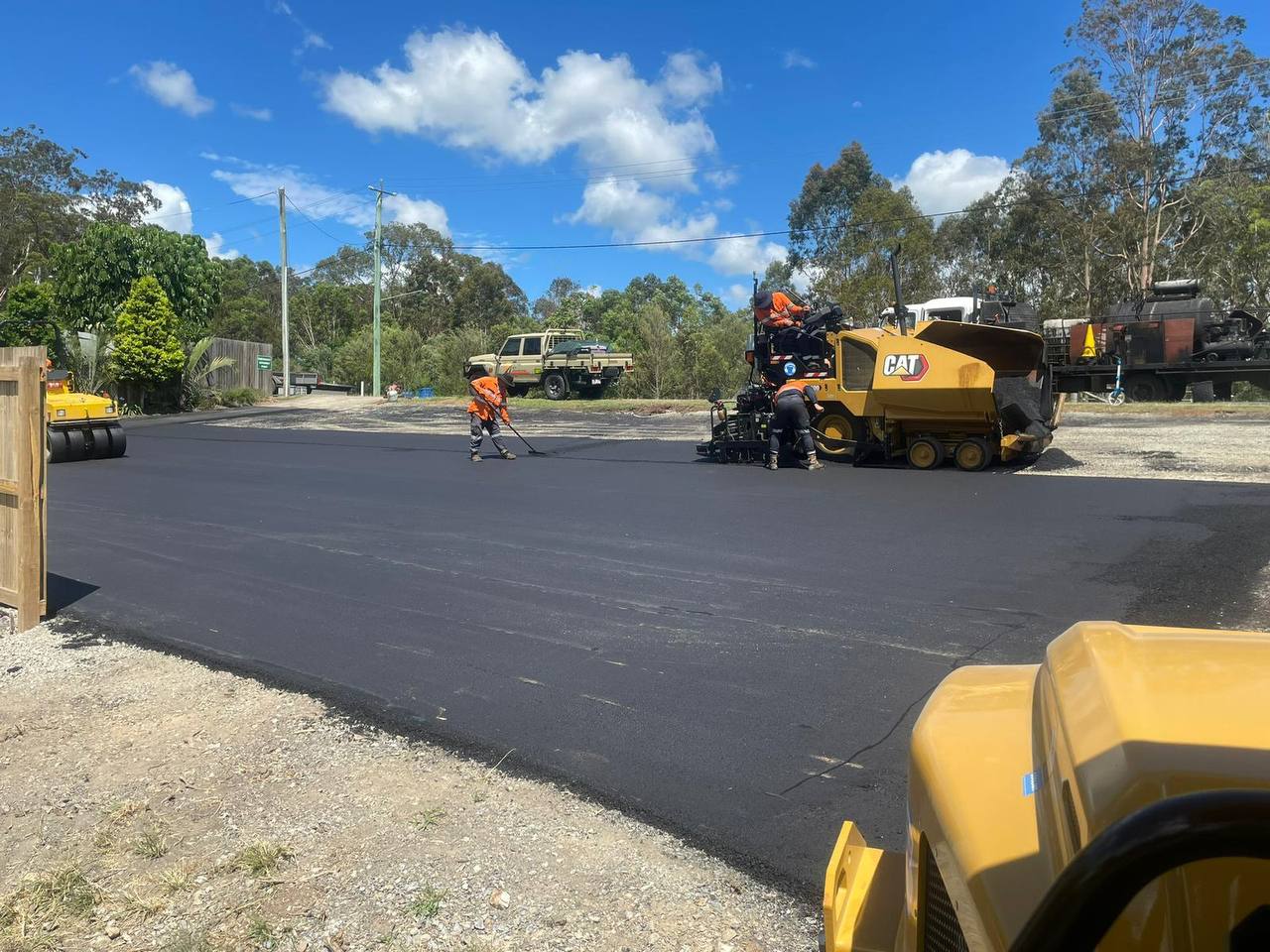
Asphalt resurfacing involves applying a new layer of asphalt over an existing surface that remains structurally sound. It renews the upper layer without removing the entire pavement, making it a practical option when the main problems are limited to surface deterioration.
Resurfacing may be suitable when an asphalt driveway or paved area has minor cracking, surface wear or a faded finish, provided the underlying foundation remains stable. Before applying a new layer, the existing surface must be assessed and prepared correctly. Necessary repairs may include addressing localised defects, correcting suitable surface irregularities and ensuring water can drain away effectively.
Simply covering damaged asphalt without resolving the underlying cause can lead to cracks and other defects reappearing through the new layer. A professional assessment is therefore essential to determine whether resurfacing will provide a durable result.
When Is Full Asphalt Replacement Necessary?
Full replacement involves removing the existing asphalt and rebuilding the affected surface. This is generally considered when deterioration extends beyond the upper layer and affects the pavement’s underlying structure.
Signs that replacement may be more appropriate include:
- Widespread or deep cracking across the surface.
- Numerous potholes or areas of significant deterioration.
- Sections that have sunk, shifted or become uneven.
- Persistent water pooling linked to underlying drainage or foundation problems.
- Repeated surface failures despite previous repairs.
These symptoms can indicate that the foundation or supporting layers have weakened. Applying fresh asphalt over an unstable base is unlikely to resolve the problem for long.
Full replacement allows damaged material to be removed and underlying issues to be addressed before the new pavement is installed. The appropriate construction method will depend on the extent of the damage, ground conditions, drainage requirements and the way the surface will be used.
Key Differences Between Resurfacing and Full Replacement
The main difference is how much of the existing pavement can be retained.
Resurfacing focuses on renewing the top layer while preserving a suitable existing foundation. It can be effective when the structure beneath the asphalt is stable and the defects are mainly cosmetic or confined to the surface.
Full replacement addresses more extensive deterioration by allowing the existing pavement and affected supporting layers to be removed and reconstructed as required. Although it involves more extensive work, it may be the more reliable long-term solution when the existing base has failed.
Neither option is automatically best for every driveway or paved area. The decision should be based on the actual condition of the pavement rather than its appearance alone.
How Labrador’s Climate Can Affect Asphalt Surfaces
In Labrador, QLD, Australia, asphalt surfaces need to cope with warm conditions, rainfall and periods of intense sunlight. These environmental factors can contribute to gradual surface deterioration, particularly when drainage is inadequate or the pavement already has weaknesses.
Water entering cracks can affect the supporting layers, while poor drainage may allow moisture to remain beneath or across the surface. Vehicle movements can then place additional stress on weakened sections, contributing to potholes, depressions and further cracking.
Good surface preparation, suitable asphalt installation and effective drainage all play important roles in the performance of a repaired or newly constructed pavement. Choosing between resurfacing and replacement should therefore involve considering not only visible damage but also how well the existing surface manages water and supports regular traffic.
Why Professional Assessment Matters
Some asphalt defects are relatively straightforward to address, while others indicate deeper structural problems that are not immediately obvious. A surface may look worn but still have a sound foundation, or it may appear reasonably intact despite developing weaknesses underneath.
A professional assessment helps establish the extent of deterioration and identify contributing factors such as poor drainage, base movement or recurring water ingress. This makes it easier to determine whether resurfacing is appropriate or whether full replacement is needed.
Labrador Surfacing Solutions can help property owners evaluate their asphalt surfaces and understand the options available. Assessing the pavement before work begins helps ensure that the chosen solution addresses the actual problem rather than simply concealing visible damage.
Conclusion
Asphalt resurfacing can be an effective way to renew a surface when the existing pavement and foundation remain in good condition. Full replacement is generally more suitable when damage is widespread, the base has deteriorated or recurring defects indicate deeper structural problems.
For property owners in Labrador, QLD, Australia, the best choice depends on the condition of the existing asphalt, drainage performance and the demands placed on the surface. If your driveway or paved area is showing signs of wear, contact Labrador Surfacing Solutions to arrange an assessment and discuss the most appropriate solution for your property.
Call us on: 07 3113 9392
Click here to find out more about Labrador Surfacing Solutions
Click here to complete our contact form and see how we can help with your driveway needs.