Widespread cracking across an asphalt surface can look serious, but it does not automatically mean the pavement has reached the point of complete failure. In some cases, there is an important period between the first appearance of extensive cracking and the stage where the asphalt begins breaking apart, forming potholes and losing its structural integrity. Acting during this period can provide an opportunity to repair or resurface the pavement before deterioration becomes significantly more advanced.
The appropriate solution depends on why the cracking has developed and, crucially, whether the pavement underneath remains stable. For property owners and businesses in Labrador, QLD, arranging a professional assessment when cracking becomes widespread can help determine whether the existing asphalt can still be preserved or whether deeper pavement rehabilitation is required.
What Does Widespread Asphalt Cracking Tell You?
A few isolated cracks and a network of cracks extending across a large section of pavement represent very different conditions.
When cracking becomes widespread, it usually indicates that deterioration is no longer confined to one small defect. The asphalt may be ageing, losing flexibility or responding to stresses within the pavement structure.
Possible contributing factors include:
- Natural asphalt ageing and oxidation
- Repeated vehicle loads
- Water penetration
- Inadequate drainage
- Movement within the pavement base
- Localised settlement
- Insufficient pavement support
- Previous defects that have continued spreading
Identifying the cause is essential before deciding whether repairs, resurfacing or more extensive reconstruction will provide the appropriate result.
Cracked Asphalt Does Not Always Mean Failed Asphalt
The appearance of widespread cracking can sometimes make complete pavement replacement seem inevitable. However, the visible asphalt surface is only one part of the pavement.
If the underlying structure remains sufficiently stable, it may still be possible to repair unsuitable areas and resurface the pavement before extensive breakup occurs.
The distinction between surface deterioration and structural failure is important.
A pavement with an ageing, extensively cracked wearing surface may still have useful structural support underneath. By contrast, cracking accompanied by significant movement, rutting or settlement can indicate problems extending deeper into the pavement.
Why Timing Matters
Cracks create openings through which water can enter the pavement.
Once moisture reaches the supporting layers, the pavement can become increasingly vulnerable. Traffic repeatedly passing over weakened areas places further stress on the asphalt, causing cracks to widen and their edges to deteriorate.
The progression can eventually lead to:
- Widening cracks.
- Loose material around crack edges.
- Small sections breaking away.
- Depressions and localised failures.
- Pothole formation.
- Increasingly widespread pavement breakup.
Intervening before the later stages develop can preserve more of the existing pavement and provide additional treatment options.
Can Individual Cracks Simply Be Sealed?
Crack treatment can be valuable when defects are relatively isolated and the surrounding pavement remains in good condition.
Once cracking becomes widespread, however, treating every visible opening individually may not address the overall condition of the surface.
It is also important to determine whether the cracks are primarily surface-related or whether movement underneath is causing them.
Sealing cracks over an unstable foundation does not prevent the pavement beneath from continuing to move.
Asphalt Resurfacing May Be an Option
Where widespread cracking primarily affects the wearing surface and the pavement underneath remains suitable, asphalt resurfacing may provide an effective solution.
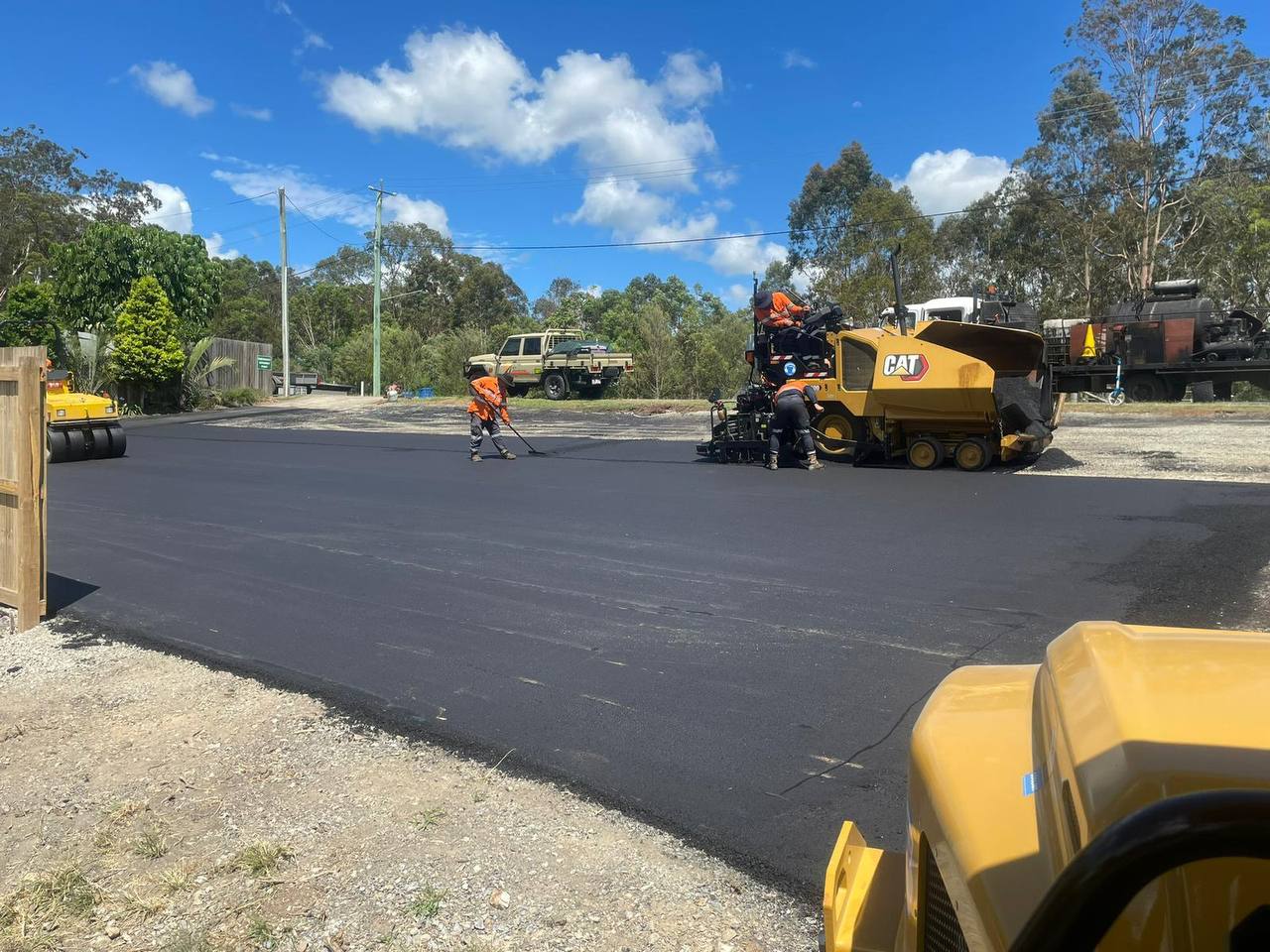
Resurfacing generally involves preparing the existing pavement, repairing unsuitable sections and applying a renewed asphalt layer.
A professionally completed resurfacing project can:
- Restore a consistent wearing surface
- Improve driving quality
- Renew pavement protection
- Address widespread surface deterioration
- Improve the overall appearance of the site
The condition of the existing pavement must first be assessed to determine whether it can adequately support the new asphalt.
The Base Determines What Can Be Saved
The supporting pavement layers are particularly important when deciding whether widespread cracking can be repaired.
A stable base provides the foundation required for repairs or resurfacing to perform properly. If the base has weakened substantially, placing new asphalt over it can leave the original problem unresolved.
Movement can eventually transfer through the renewed surface and cause cracking to return.
This is why professional asphalt restoration focuses on more than simply covering the existing cracks.
Warning Signs of Structural Failure
Certain conditions can indicate that deterioration extends beyond the asphalt wearing surface.
Warning signs include:
- Deep wheel rutting
- Noticeable sinking or settlement
- Soft pavement sections
- Significant deformation
- Repeated potholes
- Closely interconnected cracking combined with movement
- Water-related failures returning in the same locations
Where these conditions are present, sections of the pavement may require deeper repairs before resurfacing can be considered.
Water Can Accelerate Surface Breakup
Water is particularly damaging once asphalt has become extensively cracked.
Every additional opening gives rainfall another potential route into the pavement structure. If drainage is also poor, moisture may remain within vulnerable sections rather than draining away.
As supporting materials lose stability, passing vehicles create movement. The edges of cracks then begin breaking away, creating loose material and larger openings.
Eventually, what began as cracking can become widespread surface disintegration.
Preventing or limiting water penetration is therefore an important part of protecting cracked asphalt.
Drainage Should Be Assessed Alongside the Pavement
If cracking repeatedly develops around depressions or areas where water collects, repairing the asphalt alone may not solve the problem.
A professional assessment should consider:
- Surface levels
- Low areas
- Drainage paths
- Pavement edges
- Signs of moisture-related deterioration
Correcting relevant drainage problems can help protect repaired or resurfaced asphalt from the same conditions that contributed to the original damage.
Heavy Traffic Can Speed Up Deterioration
The amount and type of traffic using the pavement also influences how quickly cracked asphalt breaks apart.
Once cracks have formed, repeated wheel loads place additional stress around their edges. Heavy vehicles, frequent turning and regular braking can increase these stresses.
As damaged material becomes loose, tyres can progressively remove it from the pavement.
For heavily used surfaces, early assessment becomes particularly important because deterioration may accelerate once structural weakness develops.
Repairs May Be Needed Before Resurfacing
Resurfacing should not simply hide existing pavement failures.
Where localised weak sections are present, these areas may need to be repaired first. This helps create a more consistent and stable platform for the renewed asphalt layer.
Preparation may involve:
- Assessing crack patterns
- Removing unsuitable pavement sections
- Repairing localised failures
- Correcting depressions
- Addressing drainage issues
- Preparing the existing surface
- Installing the new asphalt layer
Careful preparation is a major factor in the long-term performance of resurfaced pavement.
When Is More Extensive Reconstruction Necessary?
There is a point where preserving the existing asphalt may no longer be the most suitable approach.
If widespread cracking is accompanied by substantial base instability, deep deformation or extensive pavement breakup, reconstruction of affected sections may be required.
The important distinction is between an ageing surface that can still be rehabilitated and a pavement structure that can no longer provide adequate support.
A professional inspection helps establish where the pavement sits between these two conditions.
Do Not Wait for the Asphalt to Start Breaking Apart
The ideal time to investigate widespread cracking is before pieces of asphalt begin becoming loose and potholes appear throughout the surface.
At this earlier stage, there may be more opportunities to preserve the existing pavement.
Property owners should consider arranging an assessment when they notice:
- Cracks spreading into previously unaffected areas
- Existing cracks becoming wider
- Increasingly interconnected crack patterns
- Water entering damaged sections
- Early surface material loss
- Minor depressions forming alongside cracks
Waiting for the road or driveway to become visibly broken can allow deterioration beneath the surface to become considerably more advanced.
Why Professional Assessment Is Essential
Widespread cracking cannot be properly evaluated from appearance alone.
Two pavements can show similar crack patterns while having very different conditions underneath. One may have a stable foundation and be suitable for rehabilitation, while the other may contain structural weaknesses requiring deeper repairs.
Experienced asphalt professionals assess the complete pavement, including:
- Type and extent of cracking
- Surface condition
- Base stability
- Rutting and deformation
- Drainage performance
- Traffic demands
- Previous repair areas
This information allows an appropriate repair or resurfacing strategy to be developed around the actual cause of deterioration.
Conclusion
Widespread asphalt cracking can sometimes be repaired before the surface begins breaking apart, particularly when the underlying pavement remains structurally stable. Timely repairs and asphalt resurfacing can restore a deteriorating wearing surface, but structural weaknesses, drainage problems and failed sections need to be addressed rather than simply covered.
For property owners and businesses in Labrador, QLD, the most important step is arranging an assessment before cracking progresses into widespread potholes and surface breakup. Labrador Surfacing Solutions provides professional asphalt repairs and resurfacing solutions based on the actual condition of each pavement. If cracking is spreading across your asphalt surface, contact our team to determine whether timely repair or resurfacing can help restore and protect it for continued use.
Call us on: 07 3113 9392
Click here to find out more about Labrador Surfacing Solutions
Click here to complete our contact form and see how we can help with your driveway needs.